
 Farmers are fortune tellers. In so many ways, they must predict what will happen in the future. What seed do they plant? How many? Will there be a drought? What will their yields be? What will the market be like? Everything science can do to give farmers an edge in their predictions can help make their futures more secure. One such advantage arises from carbon and nitrogen determination in soil, fertilizer, and plant tissue.
Plants draw their nutrients from the soil they grow in. These nutrients, especially the big ones like carbon and nitrogen, determine the health and yield potential of the soil. Too much can be just as bad as too little, not to mention more expensive. Knowing the levels of nutrients in your fields and adjusting for correct levels and ratios is essential to produce a thriving crop.
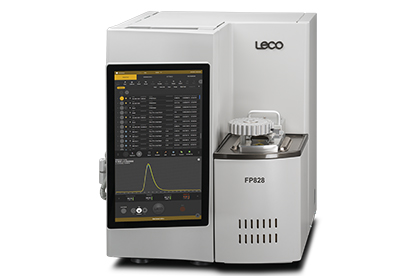 LECO’s 828 and 928 series of analytical determinators can monitor these levels at all stages of the growth process. From analyzing soil to fertilizer to the plant tissue itself, these instruments can give you a dynamic look at your field throughout the season.
Listen to LECO’s analytical chemist Fred Schultz as he walks us through the differences between the 828 and 928 instruments, how to run samples through the accepted methods, and the various ways these instruments can be configured to serve your specific needs best in this on-demand webinar in LECO’s agricultural webinar series.